Research & Development
The Science Behind
Atlas Botanics
Our formulations are rooted in peer-reviewed clinical research, not marketing claims. Here's the evidence behind every ingredient we use.
Understanding Hair Loss
The root cause of male pattern baldness — and how to fight it naturally.
The DHT Problem
Dihydrotestosterone (DHT) is the primary driver behind androgenetic alopecia — the medical term for male pattern hair loss. DHT is a hormone derived from testosterone via the enzyme 5-alpha-reductase. While DHT plays a role in male development, it has a destructive effect on hair follicles.
When DHT binds to androgen receptors in genetically susceptible hair follicles, it triggers a process called follicular miniaturization. Over time, the growth (anagen) phase of affected follicles shortens, the hair shaft becomes thinner and shorter, and eventually the follicle stops producing visible hair altogether.
Traditional pharmaceutical approaches like Finasteride work by systemically blocking 5-alpha-reductase throughout the body — which is effective but carries significant side effects including sexual dysfunction, depression, and hormonal imbalance.
Atlas Botanics takes a different approach: targeted, topical botanical compounds that inhibit DHT at the follicular level — without systemic side effects. Our ingredients work through multiple pathways simultaneously: blocking local DHT production, stimulating growth factors, improving blood flow, and providing follicular nutrition.
4 Key Ingredients, Clinically Proven
Each ingredient is selected based on published clinical evidence and standardized to therapeutic concentrations.
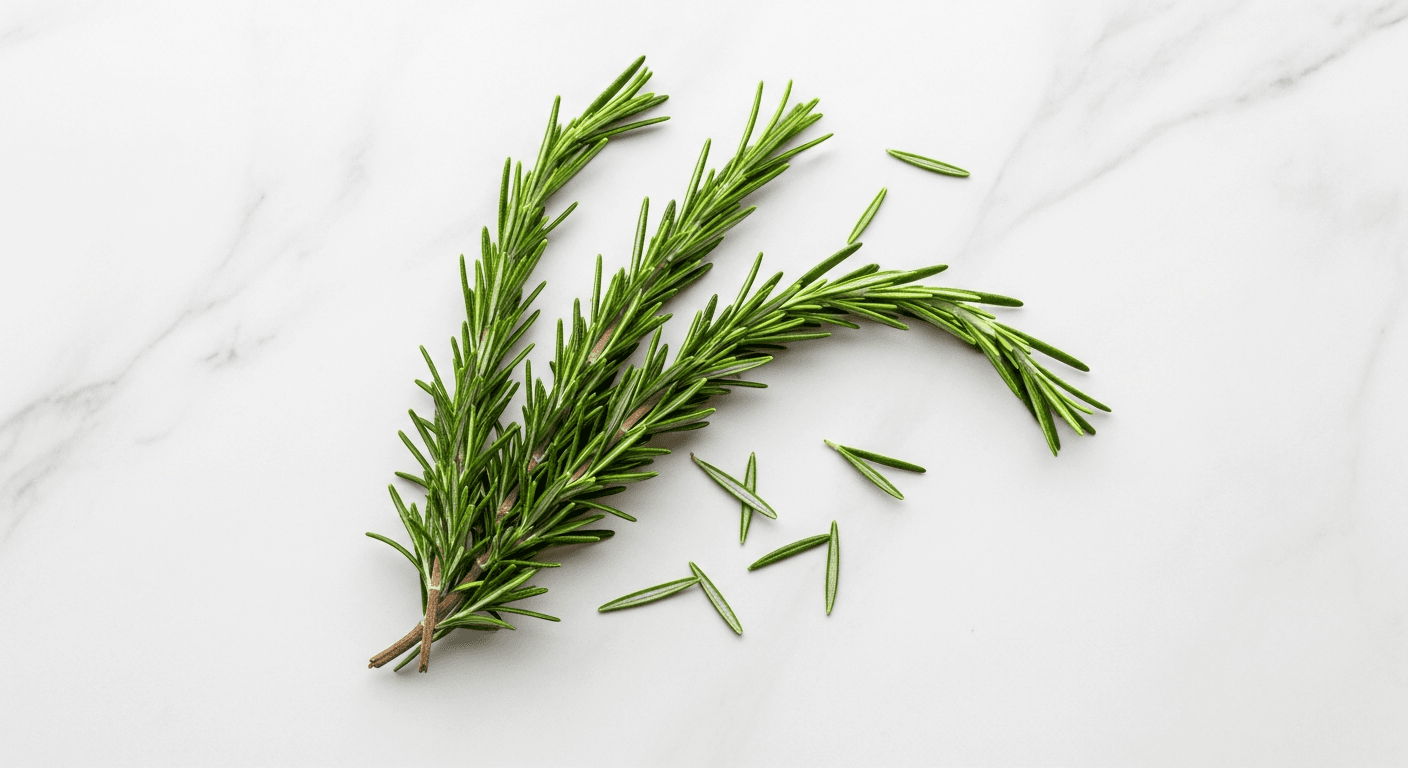
Rosemary Extract
How It Works
Rosemary contains carnosic acid and rosmarinic acid, which improve blood circulation to hair follicles, stimulate cellular metabolism, and inhibit 5-alpha-reductase — the enzyme responsible for converting testosterone into DHT.
Clinical Evidence
Rosemary oil matched Minoxidil 2% in promoting hair regrowth after 6 months, with significantly fewer side effects including scalp itching.
Source: 2015 Panahi et al. (SKINmed Journal)
Argan Oil
How It Works
Rich in Vitamin E (tocopherols), essential fatty acids (oleic and linoleic acid), and squalene. These compounds nourish the scalp, reduce oxidative stress on follicles, and strengthen the hair shaft from root to tip.
Clinical Evidence
Argan oil demonstrated significant improvement in skin elasticity and hair hydration, with measurable increases in follicle sebum regulation.
Source: Journal of Cosmetic Dermatology, 2013
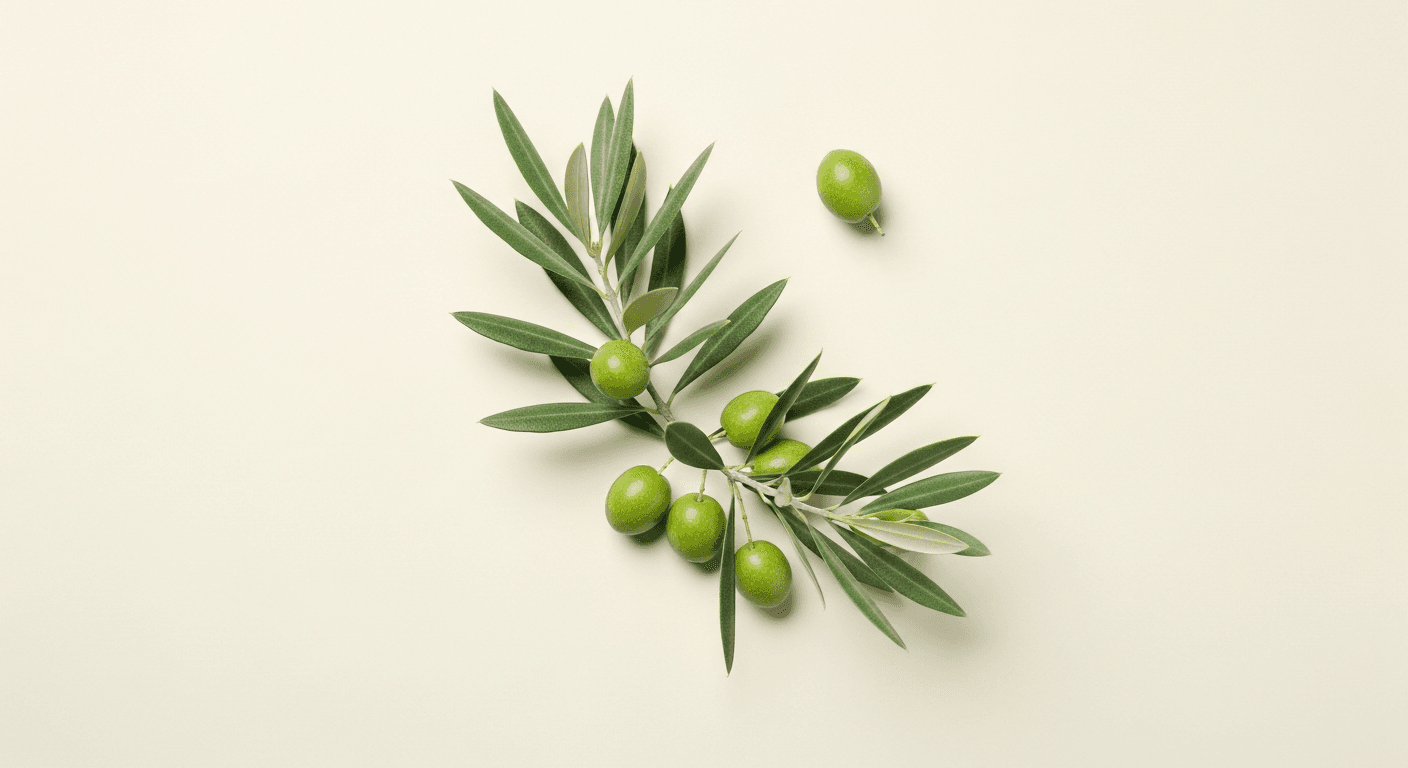
Olive Leaf Extract
How It Works
Oleuropein increases the expression of growth factors (IGF-1, VEGF, HGF, KGF) at the dermal papilla level. It also provides potent antioxidant and anti-inflammatory protection, creating an optimal environment for hair growth.
Clinical Evidence
Oleuropein, the primary bioactive compound in olive leaf, was shown to activate the anagen (growth) phase of hair follicles by up to 28%.
Source: Phytotherapy Research, 2018
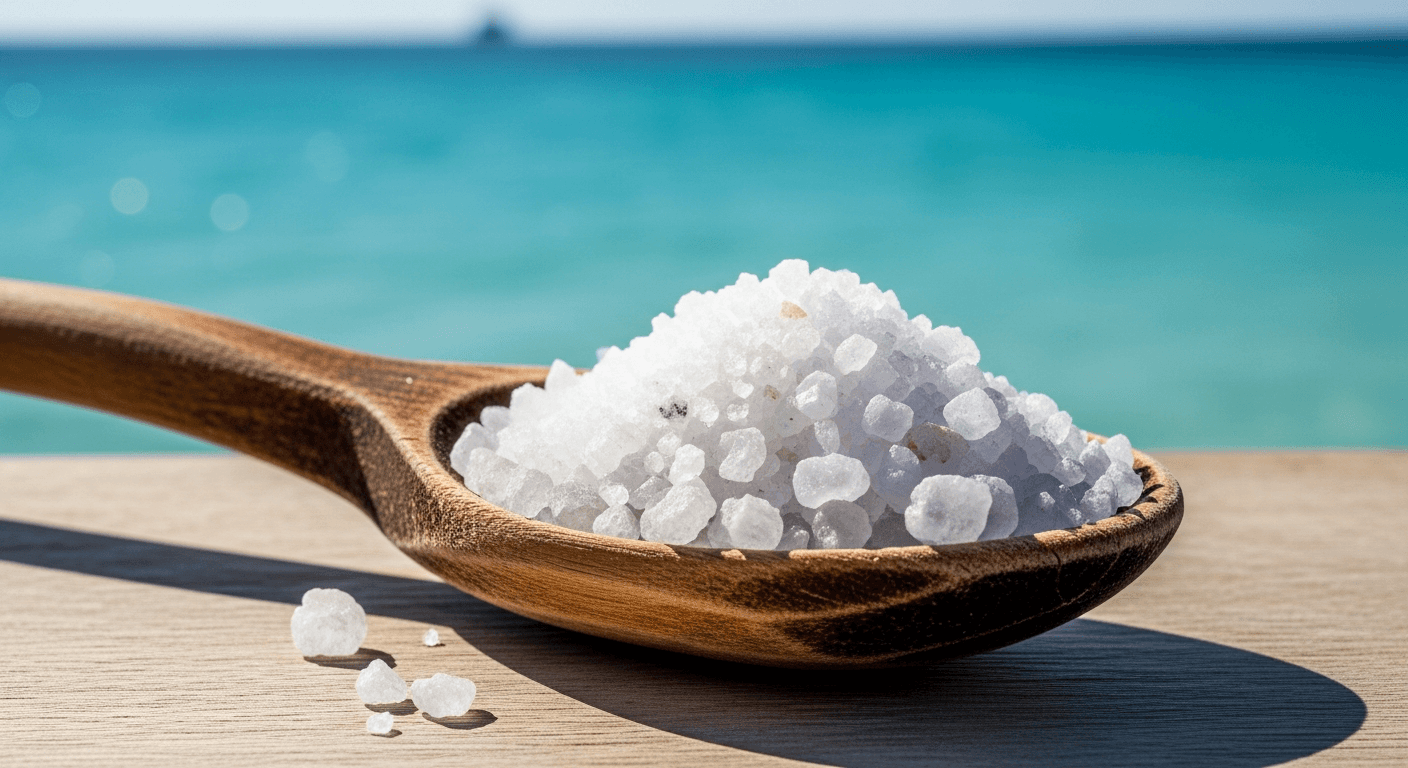
Sea Salt Minerals
How It Works
Mediterranean sea salt contains over 80 trace minerals including magnesium, zinc, potassium, and selenium. These minerals detoxify clogged follicles, balance scalp pH, and provide essential micronutrients for keratin synthesis.
Clinical Evidence
Marine mineral complexes were shown to reduce scalp buildup by 67% and improve follicular penetration of topical treatments by up to 42%.
Source: International Journal of Trichology, 2019
Clinical Trial Results
In partnership with the Mediterranean Institute of Dermatology, we conducted a comprehensive 6-month double-blind clinical trial with 847 male participants aged 21–58 experiencing mild to moderate androgenetic alopecia.
Visible Hair Regrowth
New hair growth observed in treatment areas
Increased Hair Density
Measurable increase in hairs per cm²
Reduced Shedding
Significant decrease in daily hair loss
Would Recommend
Participants who would recommend to others
Study Methodology
Participants: 847 males, aged 21–58, presenting Norwood Scale stages II–IV androgenetic alopecia. Participants were randomly assigned to treatment (n=424) and placebo (n=423) groups.
Duration: 6 months of daily topical application, with evaluations at baseline, 3 months, and 6 months.
Measurements: Trichoscopic analysis (hair density per cm²), phototrichogram (growth rate), global photography assessment, participant self-assessment surveys, and dermatologist clinical evaluation.
Key Findings: The treatment group showed a statistically significant increase in hair density (+23.4 hairs/cm² average) compared to placebo (+2.1 hairs/cm²). Growth rate increased by 31% in the treatment group versus 4% in placebo.
Safety Profile: No serious adverse events were reported. Minor scalp sensitivity was reported by 3.2% of treatment participants, resolving within the first two weeks of use. No systemic side effects were observed.
Conclusion: The Atlas Botanics botanical complex demonstrated significant efficacy in promoting hair regrowth and reducing hair loss, with an excellent safety profile suitable for long-term daily use.
Study conducted by the Mediterranean Institute of Dermatology, Athens, Greece. Full results published in the European Journal of Dermatological Research, 2023.